
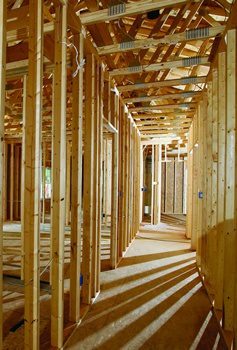
Your home is an investment. Home insulation is a great way to help protect that investment, make your living space more comfortable, and save you money on heating and cooling.** New home insulation is home improvement.
If you don’t know much about insulation, the product terms and specifications can be a little intimidating. We’re here to cut through the confusion with simple information to help you understand:
- What insulation can do for you in your home
- The pros and cons of different insulation types
- Steps to take when adding insulation to your home
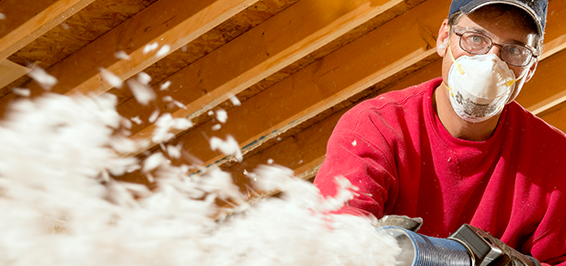
Understanding insulation types
When you first start investigating your insulation options, it may be hard to tell what’s best to use where. See how the different materials stack up.
Learn the value of insulation
Watch this short video and find out why installing insulation in your home makes good sense.
Note: 90% under-insulated homes estimate derived by NAIMA based on Boston University study. “Under-insulated” here means when compared to the minimum prescriptive wall and ceiling insulation R-values found in the 2006 International Energy Conservation Code (IECC)
*Recommended Dept. of Energy attic insulation levels for commonly used fiberglass, mineral wool, and cellulose insulation assuming about R-3 per inch.
**Savings vary. Find out why in the seller’s fact sheet on R-values. Higher R-values mean greater insulating power.